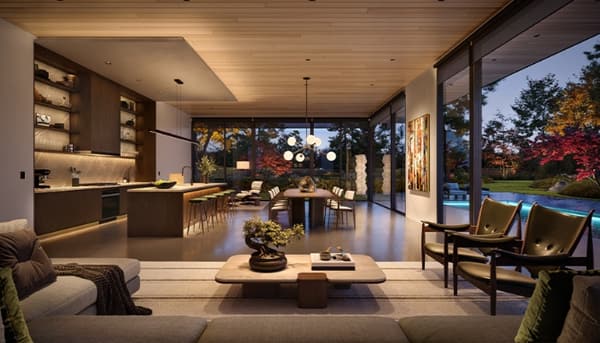
You arrive home with your arms overflowing with groceries, kicking the front door shut behind you as you stumble into a dark hallway. Fumbling for the wall plate with your elbow just to see where you are walking is a frustrating daily ritual for many homeowners. Relying on static, manual switches often means dealing with harsh glare in the evening and forgotten fixtures burning power all night long. Upgrading to a smart lighting system removes this daily friction by putting total control of your environment in the palm of your hand, your voice, or an automated schedule.
Our team has handled this exact upgrade for countless homeowners, taking the guesswork out of modern home automation. At Carolina Custom Sound, we specialize in designing custom setups that fit your daily routine perfectly. In this guide, we will break down exactly how these connected setups work, explore the biggest advantages and common drawbacks, and help you decide which approach makes the most sense for your space.
Upgrade Your Home Automation
Discover custom automation and professional installation for a smarter, safer home.
Explore smart lighting systemKey Takeaways
- Total Control: An upgraded setup lets you manage brightness and color through apps, voice commands, or automated schedules.
- Energy Savings: Motion sensors and automated dimming prevent lights from wasting power when rooms are empty.
- Professional Reliability: Integrated hardwired options eliminate the frustrating Wi-Fi drops common with cheap DIY bulbs.
What Makes a Home Lighting System Truly Smart
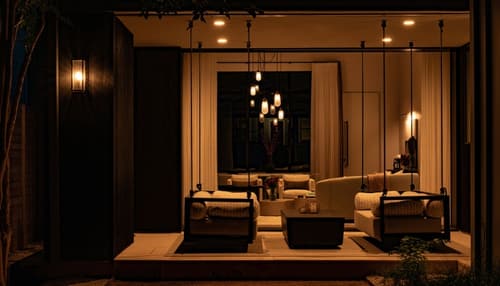
A traditional lighting setup uses basic electrical currents controlled by a physical toggle switch to turn standard incandescent or static LED bulbs on and off. A smart lighting system completely changes this dynamic by introducing wireless communication and digital controls to your fixtures. Instead of just passing power, the components talk to each other through a centralized home hub or direct wireless protocols.
The way these devices communicate determines how well they work. Basic setups often rely on standard Wi-Fi or Bluetooth connectivity to link a bulb directly to your phone. More advanced integrations use dedicated radio frequencies, like Zigbee or Z-Wave, routed through a central hub. This keeps your home automation lighting off your main internet bandwidth and prevents router overload.
Understanding the foundational difference between smart bulbs and smart switches is the first step in planning your project. Smart light bulbs contain the wireless receiver directly inside the bulb itself, meaning the physical wall switch must always remain flipped on for them to work. Smart switches replace the actual wall control, allowing you to use standard, inexpensive LED bulbs while maintaining full wireless control even if someone physically flips the switch.
The Biggest Advantages of a Smart Lighting System
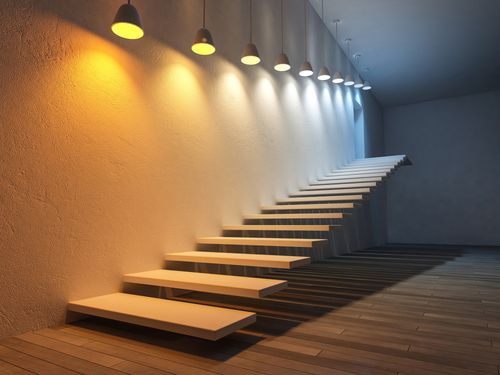
Upgrading your home with smart lighting controls provides daily benefits that go far beyond just turning things on and off from your phone. When planned correctly, these components work together to make your home more comfortable, secure, and efficient.
Energy Efficiency and Convenience
One of the most noticeable benefits is the direct reduction in wasted energy. We regularly set up automated lighting schedules that adjust brightness based on the time of day and natural sunlight levels. You can easily program your setup to shut off all interior fixtures at bedtime with a single tap.
To maximize efficiency, a whole-home integration often includes the following smart components:
- Automated dimming routines that never run fixtures at full power unless needed.
- Motion sensors that automatically turn off hallway and bathroom fixtures when rooms sit empty.
- Geofencing features that shut down your entire home when your smartphone leaves the driveway.
Enhanced Home Security
A smart lighting system acts as a powerful deterrent against potential intruders. Instead of leaving a single porch light on for a week while you go on vacation, you can activate specific away modes. These modes randomize when different rooms light up, mimicking real human activity inside the house. You can also tie your exterior smart LED lights to motion detectors to instantly flood the yard with bright light if someone approaches your property.
The Pros and Cons of a Smart Lighting System
Making the jump to connected devices requires an initial investment of both time and money. While the daily convenience is massive, there are a few trade-offs to consider before replacing every switch in your house.
Pros
Automated Convenience
You can schedule fixtures to turn on at sunset and off at bedtime automatically.
Custom Lighting Scenes
You can group multiple fixtures together to create specific moods for movie nights, reading, or dinner parties.
Better Security
Remote access and randomized vacation modes make it look like someone is always home.
Energy Efficiency
Smart dimming and motion tracking stop you from paying for electricity you are not actually using.
Cons
Higher Upfront Costs
Connected fixtures, hubs, and smart switches cost significantly more than standard incandescent options.
Learning Curve
Setting up apps, pairing devices, and configuring daily routines requires patience and some technical comfort.
What to Know Before Installing Automated Lighting
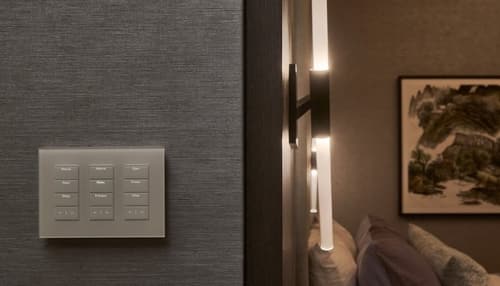
The biggest hurdle for most homeowners is the initial cost and the time required to understand the technology. Replacing a single bulb is cheap, but outfitting an entire home with smart switches or dedicated hubs adds up quickly. You are paying for the microchips, wireless radios, and software development that make the hardware function.
Technical glitches are another common frustration for DIY installers. If you buy dozens of cheap Wi-Fi lighting products from a big-box retailer, you will likely experience frequent connection dropouts as they fight for bandwidth with your laptops and streaming devices. Furthermore, our installation experts know that before buying any smart switches, you must check your home's wall boxes for a neutral wire. Older homes often lack this specific wiring connection, which is required to provide constant standby power to modern connected switches.
Choosing the Right Smart Lighting Approach for Your Home
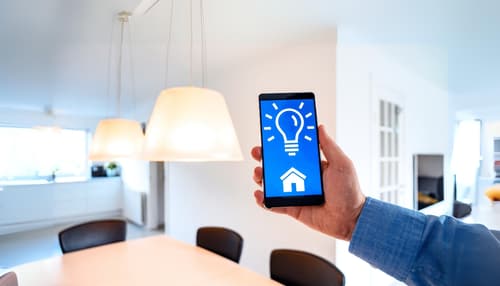
Your budget and your tolerance for troubleshooting will dictate the best approach for your home. Cheap DIY options, like standalone Wi-Fi bulbs, are incredibly budget-friendly and easy to screw in. However, they are prone to lagging response times and require you to leave your physical wall switches flipped on permanently. If a guest accidentally flips the switch off, the smart bulb goes entirely offline.
For a permanent, high-quality solution, we always recommend robust, professionally integrated systems like Lutron smart lighting or Control4 lighting. These professional setups use centralized processors and dedicated wireless frequencies to offer smooth reliability. Because they are hardwired into your home's electrical system, you get centralized control without clogging up your home Wi-Fi network. This method provides the stability and premium feel that luxury homes demand.
Smart Bulbs vs. Smart Switches vs. Integrated Systems
| Feature | Smart Bulbs | Smart Switches | Professionally Integrated Systems |
|---|---|---|---|
| Upfront Cost | Very affordable for individual fixtures. | Moderate pricing per wall plate. | Higher investment for full automation. |
| Installation Difficulty | Simple screw-in application. | Requires basic electrical knowledge. | Requires an experienced professional integrator. |
| Reliability | Prone to Wi-Fi drops. | Good stability on dedicated networks. | Outstanding hardwired and local hub stability. |
| Customization Options | Endless color changing abilities. | Excellent dimming and scene grouping. | Total whole-home automation and syncing. |
| Best Use Case | Apartment renters or small single rooms. | Homeowners upgrading room by room. | Large homes wanting flawless reliability. |
Ready to Upgrade to a Custom Smart Lighting System?
Switching to a modern smart lighting system offers incredible daily convenience, serious energy savings, and peace of mind through enhanced security features. Whether you want automated schedules that greet you after work or customizable lighting scenes for entertaining, the right equipment makes a massive difference in how your home feels.
If you are ready to stop fumbling in the dark, our team at Carolina Custom Sound is here to help. Skip the frustrating DIY troubleshooting and big-box store guesswork by visiting our expert showroom. We provide tailored guidance, professional installation, and localized customer service to build a lighting setup that works perfectly for your lifestyle.
Frequently Asked Questions about the Smart Lighting System
A whole-home smart lighting system typically costs anywhere from $1,500 for a basic switch replacement up to $10,000 or more for luxury, professionally installed integrations. The final price depends entirely on the size of your house, the brand of hardware you select, and the complexity of the automated programming.
You do not strictly need a central hub if you purchase standalone Wi-Fi or Bluetooth bulbs. However, installing a dedicated hub creates a far more stable network that responds faster and keeps the device traffic off your main internet router.
Your smart lights will still function as standard manual lights if the internet goes down, provided you use smart switches or local hubs. Cloud-based voice commands and remote app access will fail without the internet, but locally processed schedules and physical buttons will continue working perfectly.
Automated lighting can significantly reduce your monthly energy bill by eliminating the power wasted on empty rooms. Utilizing motion sensors and setting your maximum brightness limits to 80 percent can noticeably extend bulb life and cut daily electrical draw.
A smart bulb has the wireless technology built directly into the glass fixture, while a smart switch builds the technology into the wall plate itself. Using a smart switch is generally more reliable because it allows you to control standard bulbs without worrying about someone accidentally turning off the physical power supply.
You can easily integrate your lighting with existing home security cameras using centralized automation platforms like Control4. This setup allows your exterior floodlights or interior hallway fixtures to automatically turn on the exact second your cameras detect human motion on your property.
Why Trust Carolina Custom Sound?
Family-owned and operated for over 20 years. Carolina Custom Sound is a national award-winning team of well-trained professionals whose purpose is to integrate lifestyle systems into homes, offices, and other locations. We are proud to have served this community for so long and wouldn’t be here without our loyal clients. We create a more relaxing, engaging, and enjoyable automation experience for our residential and commercial clients.
Our Clemmons Showroom brings the immersive experience of our custom home installations to life with unbridled sound and audio/video which you can feel in person. Visit our Clemmons showroom or let us help you in any of our surrounding service areas like Winston-Salem, Greensboro, Lake Norman, and more!
Shop Smart Lighting Systems at Carolina Custom Sound
At Carolina Custom Sound, we provide quality top-of-the-line brands for every project. We are known to be sticklers for details, from start to finish on every job. Our installation professionals measure, plan, design, and program with great care to make sure nothing is overlooked. Whether you call us or visit, contact us today! Let us bring your smart home vision to life.